What technical documents should you request from an activated bleaching earth manufacturer?
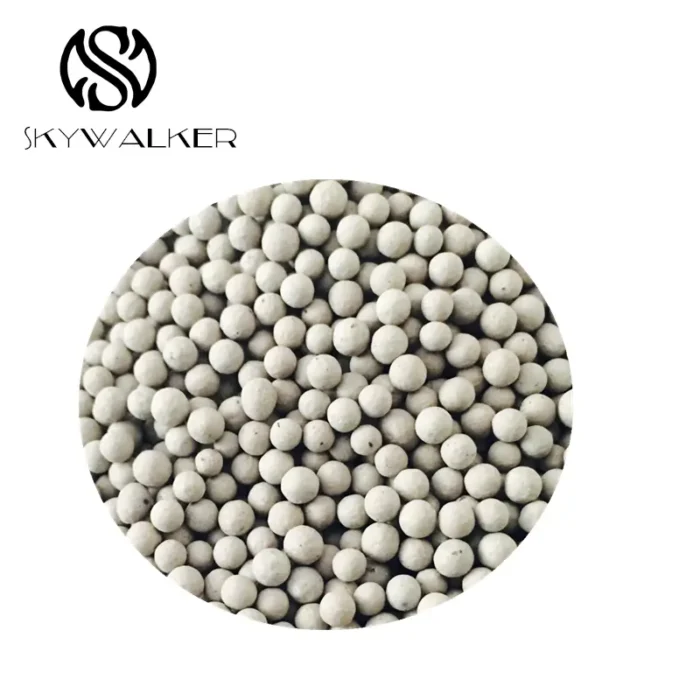
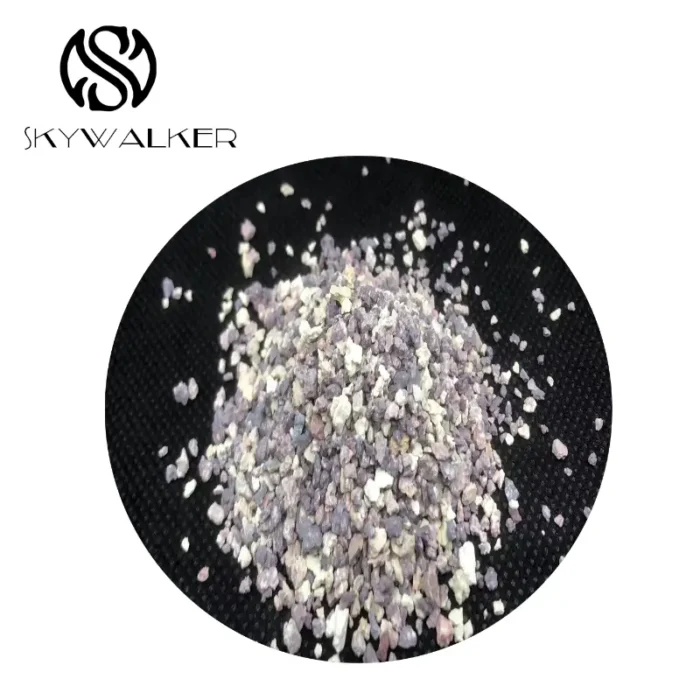
Decoding modified whitening material implies a comprehensive analysis of its traits. This distinctive compound is generally executed in the refining of vegetable oils, adeptly eradicating contaminants. The conversion approach typically involves mechanical treatment, strengthening its adsorptive ability to retain colored elements. Eventually, this manual will discuss the theories activated bleaching earth behind refined bleaching soil and its benefits.
Bleaching Earth Providers: Selecting the Appropriate Source
Gaining a credible distributor of whitening compound is required for many fields, particularly those involved in chemical purification. Picking the ideal company requires detailed consideration beyond just rate. Analyze their history in adsorbent provision, their monitoring procedures, and their competence to consistently match your demand needs. A reliable bleaching earth source will also offer guidance and a selection of grades to match your tailored application.
Certain Process Behind Enhanced Clarifying Material
Processed bleaching soil, a cornerstone throughout the refining system for edible oils, functions through a fascinating integration of adsorption and chemical interactions. Initially, naturally occurring attapulgite is activated – a approach involving heat and reagents – to drastically increase its surface extent. This expanded surface provides an immense number of points for the intentional adsorption of color pigments, defects, and unwanted odor compounds. The mechanism is primarily physisorption, where molecules are held by weak van der Waals contacts, though some covalent adsorption can also take place with certain components. This results due to a significant lessening of color and improvement of the oil's aesthetic and aroma.
Bleaching Aggregate - Features and Benefits
De-colorizing mineral, frequently named kaolin, features unique properties that justify it exceptionally valuable across broad selection of branches. Its principal attribute is its remarkable radiance, originating from its decreased impurity volume. This feature causes it apt for tasks calling for a luminous visual aspect. Supplementary to its shade, detoxifying substance is primarily gentle and shows good pliancy, allowing it to be smoothly crafted. Standard roles include cardboard construction, plastic stiffening, pharmaceutical recipes, makeup products, and as an desiccant medium in several production functions. Moreover, it finds employment in artificial minerals and paint fields.
Identifying the Fitting Processed Purifying Aggregate for Unique Requirements
Determining the right treatment element can be a challenging task, as separate applications demand varying properties. Assess the sort of compound you’re managing; some earth are more effective for botanical oils, while others are tailored towards faunal fats. Variables like void volume and bleaching power profoundly influence productivity.
- Appraise the shade and fragrance volume of the component to fix the mandated bleaching degree.
- Review the particle size distribution; finer particles generally offer greater surface area, but may present separation challenges.
- Recognize the hydration as it influences the substance’s clarifying efficiency.
Lightening Aggregate: Creation Procedures and Assurance
The creation of bleaching earth, a widely utilized product for oil refining and chemical purification, involves several key measures. Initially, kaolinite is quarried and then subjected to treatment via heat interaction and/or chemical conversion. This technique enhances the filtering properties of the clay. Consequently, rigorous caliber assessments are implemented, including analyses of element size arrangement, oil adsorption strength, and fluid level. High-tech analytical procedures, such as particle size analysis and certified evaluation, are used to verify a steady output that aligns with stringent standards.
Sustainable Sourcing of Improved Bleaching Clay
The expanding demand for activated bleaching earth presents a vital challenge regarding its development and environmental influence. Customary sourcing methods can lead to habitat deterioration and lessening of natural resources. Consequently, an emphasis towards sustainable sourcing is indispensable. This involves implementing practices like land rehabilitation of mined areas, reusing waste offcuts from other industries for development, and backing native communities to support ethical and conscientious mining functions. Furthermore, verification schemes and exhaustive auditing processes are mandatory to establish that the material is secured in a truly environmentally sound manner. Points should also include controlling fuel consumption during production and water usage.
- Afforestation efforts
- Recycling waste materials
- Supporting local communities
- Endorsement schemes
Clarifying Earth Distributor Registry: Dominant Providers Classified
Securing a trustworthy earth distributor can be a issue, but our comprehensive compilation aims to ease the process. We’ve meticulously aggregated data and sorted leading businesses in the bleaching earth market. This summary highlights significant producers known for their reputation and service, allowing purchasers to discover the leading source for their specialized needs. Various factors, including output volume, selection, and ratings, were analyzed in determining these best orders.
Perceiving Activated Bleaching Earth Performance Metrics
To effectively assess the efficiency of activated bleaching earth, it’s essential to comprehend key functional metrics. These parameters often include color rating, typically measured using a meter, which demonstrates the earth’s ability to absorb color from oils. Additionally, acid concentration is vital, as it controls the bleaching process; a higher proportion usually matches with improved refinement capabilities. Finally, retentive area, often analyzed via BET analysis, immediately impacts the earth’s capacity to capture colorants, ultimately governing its overall purifying function.