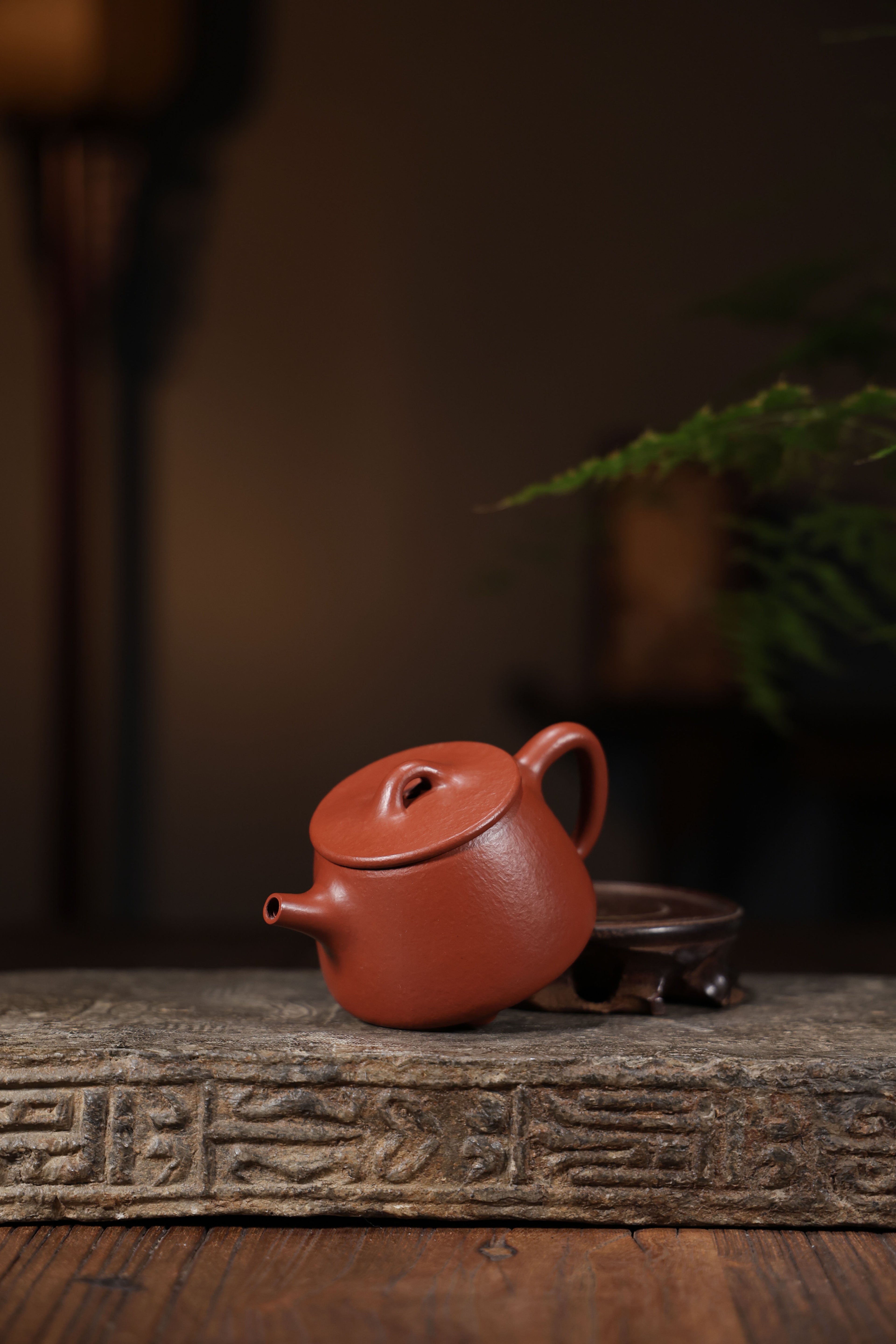
Why does a seasoned Purple Clay Teapot command higher resale prices?
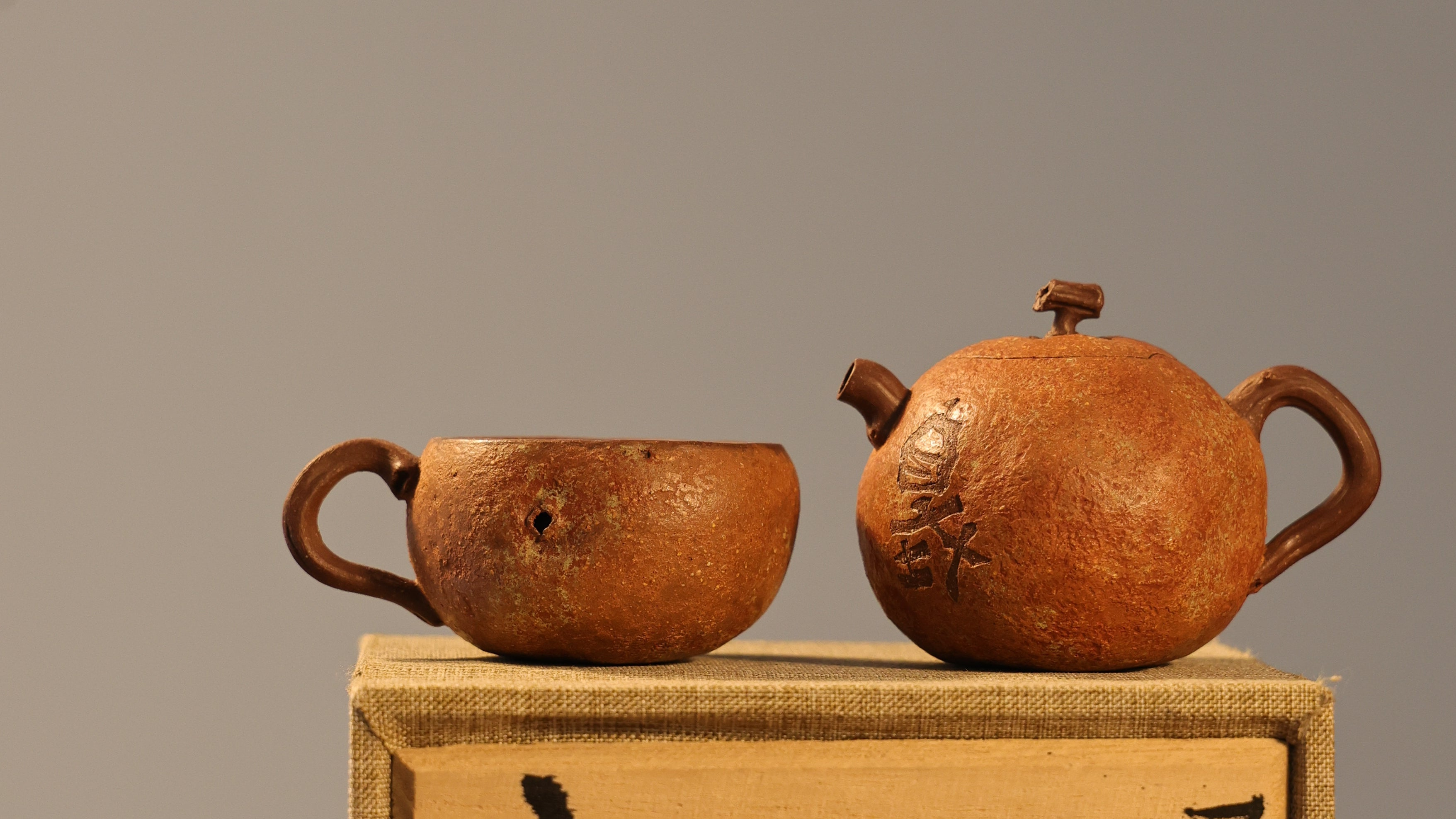
Across age-old chronicles,
Throughout decades, enthusiasts have been fascinated by the rare charm of Yixing Zisha carafes. Originating from the region of Yixing in the eastern province, these implements are renowned for their prominent beauty, singular clay, and fundamental ability to elevate the note of tea. The clay's distinctive purple-brown hue, combined with the artistic handiwork of regional makers, creates items that are and functional creations and prized holdings. Collecting a Zisha teapot is more than just an purchase; it's immersing oneself in a rich traditional heritage.
Exploring Yixing Teapots: Background, Forms, and Merit
The renowned Yixing teapots constitute a profound legacy deeply intertwined with Chinese culture. Beginning in the Yixing region of Jiangsu province, these clay vessels have a heritage dating back to the Ming Dynasty. Former examples were functional, but through centuries, Yixing teapot creation evolved into an esteemed art form. The clay itself, known for its unique grain and ability to influence the flavor of the tea, remains a defining factor. Yixing teapots come in various kinds, broadly categorized by shape: Established such as Zhuni (purple clay) and Bisheng, as well as advanced designs. The worth of a Yixing teapot is on several factors, including the potter’s distinction, the age of Purple Clay Teapot the piece, the rarity of the clay, and its aesthetic charm.- Background: Centuries ago
- Medium: Different forms
- Assessment Factors: Historical period
Zisha Pot Creation: Methods and Artists
Unique crafting of a genuine Zisha teapot is a sophisticated process, requiring periods of experience. Veteran artisans meticulously pick the finest Zisha clay, a exclusive earth found only in specific regions of China. Time-honored techniques, often bequeathed through families, involve accurate shaping, nuanced carving, and unhurried firing in ancient ovens. The culminating teapot isn't merely a receptacle; it's a testament to artistic vision and the intense connection between the artist and their inheritance. Each item showcases the singular touch of the artisan, resulting in a truly incomparable work of pottery.
Classical Ceramics: Surveying the Vast Institutions of Yixing City
Esteemed Yixing, situated in Jiangsu the expanse, is widely renowned for its exceptional ceramics – a tangible representation of centuries of Chinese art. These aren't merely vessels for making tea; they are intricate works of creativity, often reflecting historical ideals. That unique purple clay, known as Zisha, possesses uncommon qualities: it is dense, letting air through, and imparts a subtle taste to the tea.
- Countless bloodlines have honed the techniques of Yixing jar making, passing down exclusive methods through ages.
- Followers prize these pieces for their aesthetic and exclusiveness.
- Individual pot tells a narrative, connecting the tea lover to a rich foundation.
Committing to Yixing Zisha: Vital Indicators
When looking into buying Yixing Zisha containers, a range of factors warrant careful consideration. Primarily, the component's complexion is significant; authentic Zisha usually exhibits a characteristic rust-colored nuance. Besides, consider the handiwork; detailed details and a refined finish suggest experienced creation. In conclusion, review the craftsman's standing; well-known names obtain superior rates and often deliver a stronger yield.
Zisha Teapot Tea Brewing Mastery
Producing palatable tea with a Zisha carafe is more over a simple practice; it's an specialty. Zisha clay, distinguished for its unique elemental composition, imparts a nuanced character to the brewed tea that’s often lacking with other devices. The appropriate water intensity is necessary; typically, gentler than what's used for black tea, to maintain the tea's fragrance and nuance. Consider mindfully the tea sort; delicate green teas or aged pu-erhs flourish from the Zisha’s ability to mellow their basic edge. It’s critical to preheat the teapot ahead of brewing, and to avoid over-steeping. Mastering this procedure leads to a veritably exceptional tea moment.
- Comprehending Zisha Clay
- Thermal Measure & Tea Sort
- Role of Pre-treatment
Preserving Your Yixing Earthenware
So as to guarantee the persistence of your valuable Yixing teapot, systematic preservation is absolutely mandatory. Refrain from using soap; instead, lightly wash it with mildly heated fluid. Avoid rapid heat; please don't put the ceramic pot directly onto a fiery stand. Periodically, mature the container by immersing it with choice fermented tea, as this supports to develop its essence and protects the inimitable essentials of the earth.
With respect to Material to Chalice: The Process of a Traditional Pot
Such creation of a Zisha teapot is a remarkable procedure, a representation to both the world's bounty and the finesse of the craftsperson. It originates with the exact extraction of the special clay from the burgundy Zisha mines near Yixing. This natural material, known for its superlative qualities, is then deliberately distilled and prepared for the primary forming. The jug's shape is carefully developed using a aggregation of ancient modeling systems, often incorporating sophisticated patterns. Following maturing, the jar undergoes a indispensable first firing, followed by a coating stage, which might involve several different layers of authentic Zisha films. Finally, a second, and sometimes third, firing at high temperatures perfects the artifact, revealing its perfected beauty and superlative characteristics - a authentic masterpiece, set to beautify a tea tradition.
{Yixing Teapots: A Exemplar of a Culture and Admiration
The Yixing region teapots, originating from the well-known Yixing region of Jiangsu province, are far more than mere wares for brewing elixirs; they represent a meaningful aspect of Chinese civilization. Fabricated from distinctive purple clay – zisha – these distinctive teapots are highly appreciated for their ability to amplify the flavor of the tea and, crucially, for their splendor. The annals of Yixing teapot making spans centuries, and the skill involved is passed down through generations, making each teapot a work of art that embodies ancient techniques and a profound appreciation for the simple pleasures in life.